

At a fundamental level, a bullet trap works by absorbing and dissipating the kinetic energy of a projectile. This is achieved through:
- Angled or hardened surfaces that deflect bullets into controlled paths
- Energy absorption systems that slow the projectile safely
- Containment zones where bullet fragments and dust are collected
Modern bullet traps are designed to reduce splashback and allow for easier maintenance and lead recovery.
How to Build a Bullet Trap?
Building a bullet trap requires a strong understanding of safety principles, projectile energy, and material resistance. Rather than following simple construction steps, a bullet trap must be designed to safely absorb or redirect bullets while preventing ricochets and fragmentation. Professional bullet traps are typically engineered from hardened steel or specialized systems and are rated for specific calibers. For safety reasons, using tested and purpose-built solutions is strongly recommended over improvised designs.
What are Common Types of Bullet Traps?
There are several widely used bullet trap designs, each suited to different calibers and use cases:
- Steel Bullet Traps
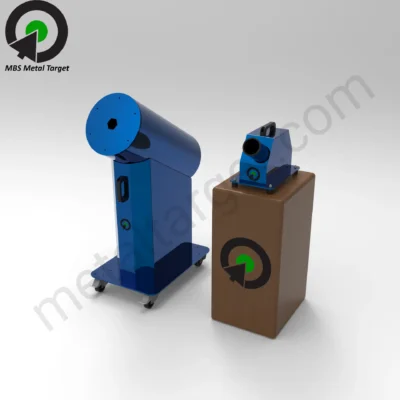
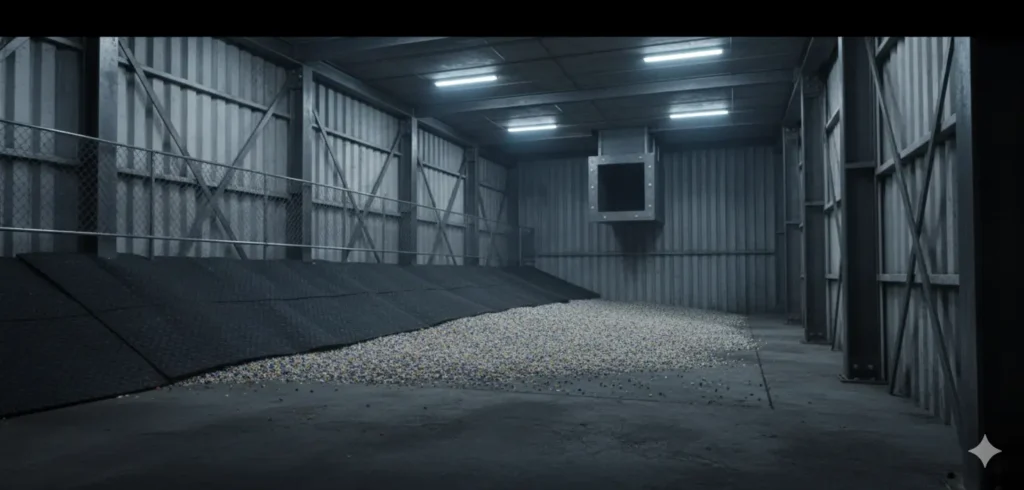
Steel bullet traps are manufactured using BR6-class ballistic steel for high impact resistance and are commonly integrated with bullet-decelerating materials such as sand or ballistic rubber. This combination helps slow and contain projectiles while minimizing ricochet and fragmentation, making these systems suitable for professional shooting ranges and training facilities. - Granular or Rubber Traps
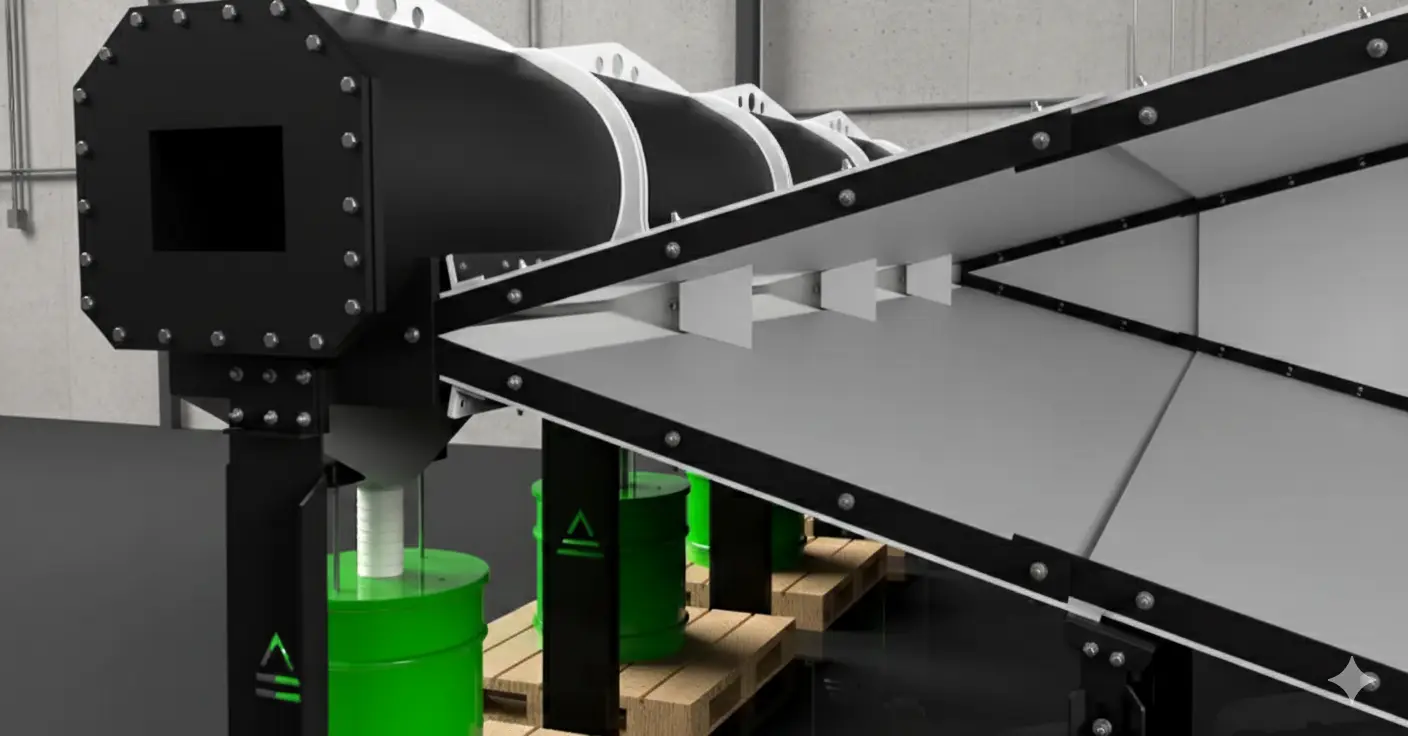
Use rubber granules to slow and capture bullets, often reducing noise and fragmentation.3 - Snail or Deceleration Traps
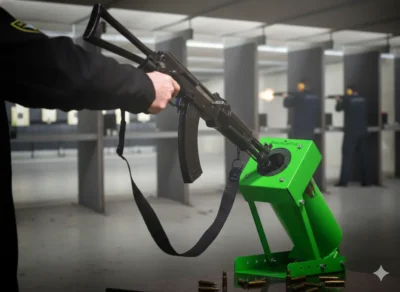
They are also designed with enlarged bullet entry areas that function like a funnel, guiding projectiles safely into the containment zone. These structures are most commonly installed behind shooting lanes or at the rear of firing ranges to maximize safety and projectile control.
Each system has specific advantages depending on ammunition type, firing distance, and range layout. You can find all systems on our website.
Do All Rimfire Bullet Traps Work the Same Way?
Not exactly. Rimfire bullet traps are typically designed for lower-energy ammunition such as .22 LR. While the basic principle remains the same, rimfire traps:
- Require less material thickness
- Focus more on fragment containment
- Are often optimized for high-volume training
Using a trap outside its rated caliber can create serious safety risks.
How Do Bullet Traps Work in Terms of Safety?
Safety is the most critical factor in bullet trap design. A properly functioning bullet trap should:
- Prevent bullet ricochet and backsplash
- Withstand repeated impacts without deformation
- Control lead dust and fragments
- Meet relevant safety and range standards
This is why professionally manufactured steel and metal bullet traps are preferred in most commercial environments.
What to Consider When Building or Making a Bullet Trap
While many people search for how to make a bullet trap, it’s important to understand the core design considerations rather than focusing on DIY construction steps:
- Caliber and projectile energy
- Material hardness and thickness
- Impact angles4
- Maintenance and lead management
- Compliance with local safety regulations
In professional and commercial settings, using certified and tested systems is strongly recommended over improvised solutions.
Bullet traps are a foundational component of any safe shooting setup. Understanding how bullet traps work, the differences between designs, and the safety principles behind them helps shooters and range operators make informed decisions.
Rather than focusing solely on how to make a bullet trap, prioritizing proper design, tested materials, and safety standards ensures long-term reliability and protection for everyone involved.